
Solutions

One file for the whole move.

These pages are the jobs importers actually buy: a door on both ends, several suppliers on one sailing, cargo that will not fit a dry box, or a stand that has to reach a hall.

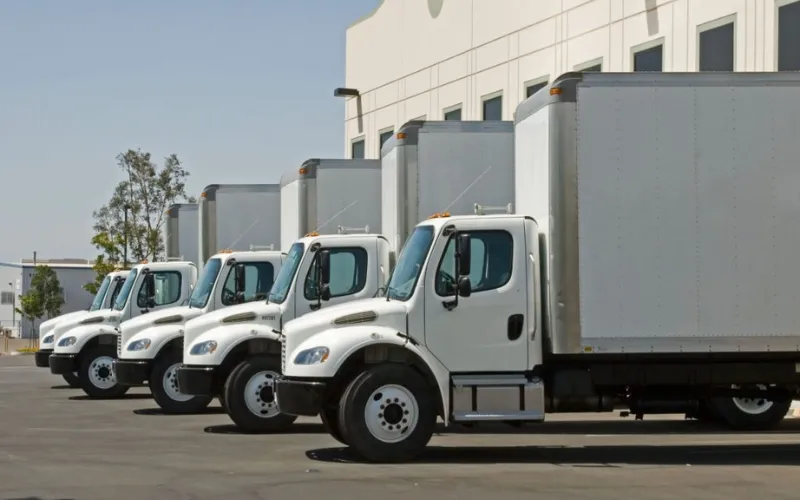
Trucks staged for pickup

Door to door

Door-to-door means Yihang coordinates the shipment from the factory in China to a named door abroad: pickup, export clearance, ocean, air, or rail, then delivery. It is one inquiry and one routing plan. It is not a blank cheque. The quote lists the legs included, the incoterm, and who files destination customs.

Containers lined up in a terminal

Buyer consolidation

Buyer consolidation means cargo from more than one Chinese supplier moves as one LCL shipment or one full container. Yihang times the pickups to the same cutoff, checks that the documents describe the same consignee, and quotes one international leg instead of a pile of small ones.

Cargo being secured before loading

Project cargo

Project cargo is freight that does not fit a standard container: oversized machinery, heavy pieces, and breakbulk. Yihang plans the lift, the equipment, and the route before anyone promises a sailing. If a flat rack, open top, or breakbulk berth is required, that is what the quote says.

Cargo being secured before loading

Exhibition logistics

Yihang Shipping moves exhibition cargo from a factory in China to a named hall, and back if the goods are not sold. The file can use an ATA carnet for temporary import, or a normal import if the goods stay. Ocean is for stands and machinery. Air is for samples. Where a China–Europe rail service replaces the sea route, transit can be up to about 40% shorter than ocean. That is a planning comparison, not a booked transit. The quote counts back from the hall’s receiving slot. This page does not name a show or a client.

Questions shippers ask

What is a global freight solution here?

A named way of moving the cargo: door to door, several suppliers combined into one shipment, a piece that does not fit a standard container, or exhibition cargo with a move-in date. Each one ends in the same quote form.

How is this different from a lane page?

A lane page is a destination, such as the United States or Singapore. A solution page is the job, and it can run on any lane we quote.

Will I get a rate on the page?

No. The page tells you what the file includes. The rate is the reply to the inquiry, because it depends on the week, the port, and the cargo.